
What to do when you find a swarm
A cluster of bees has landed on your property. Here is what to do, and what never to do, while you wait for a beekeeper.
Read ArticlePractical guides for South African homeowners, landowners and curious beginners: what to do about bees, how relocation works and why bees matter.
Found bees on your property? Read the first two articles. Curious about beekeeping? Start with the beginner guide.
A cluster of bees has landed on your property. Here is what to do, and what never to do, while you wait for a beekeeper.
Read Article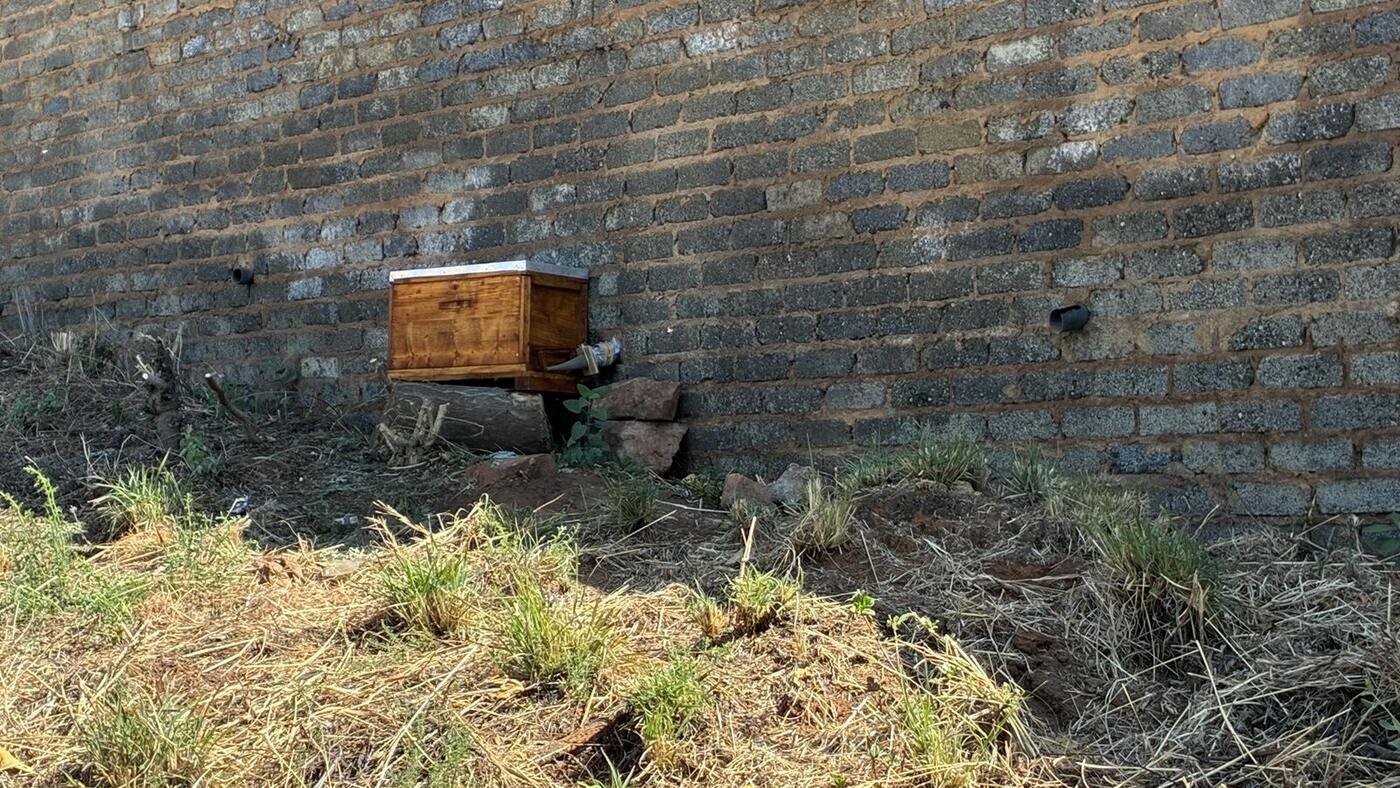
Poison feels like the quick fix. It usually creates a bigger, smellier problem and costs the environment a pollinator.
Read Article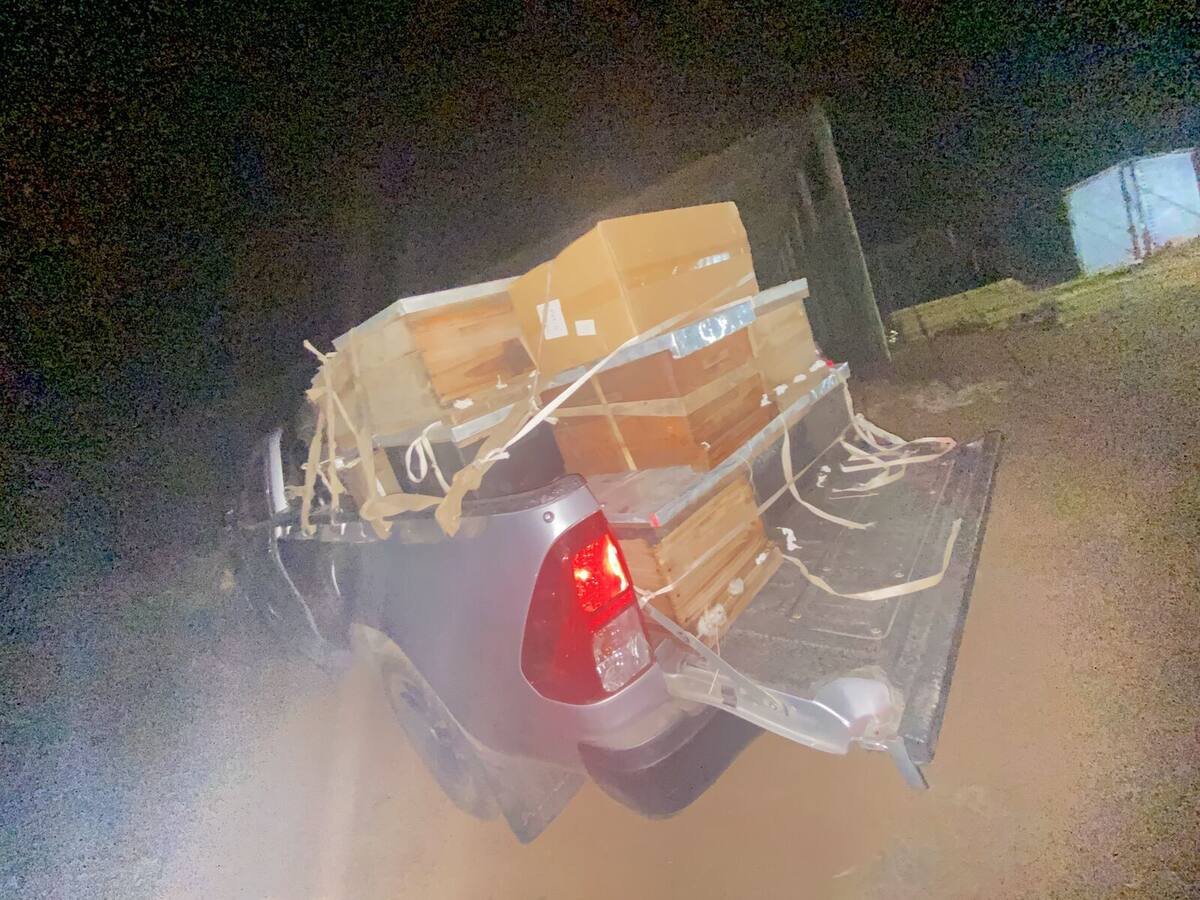
From the first photo to a settled colony in a new hive: the thinking behind a humane relocation.
Read Article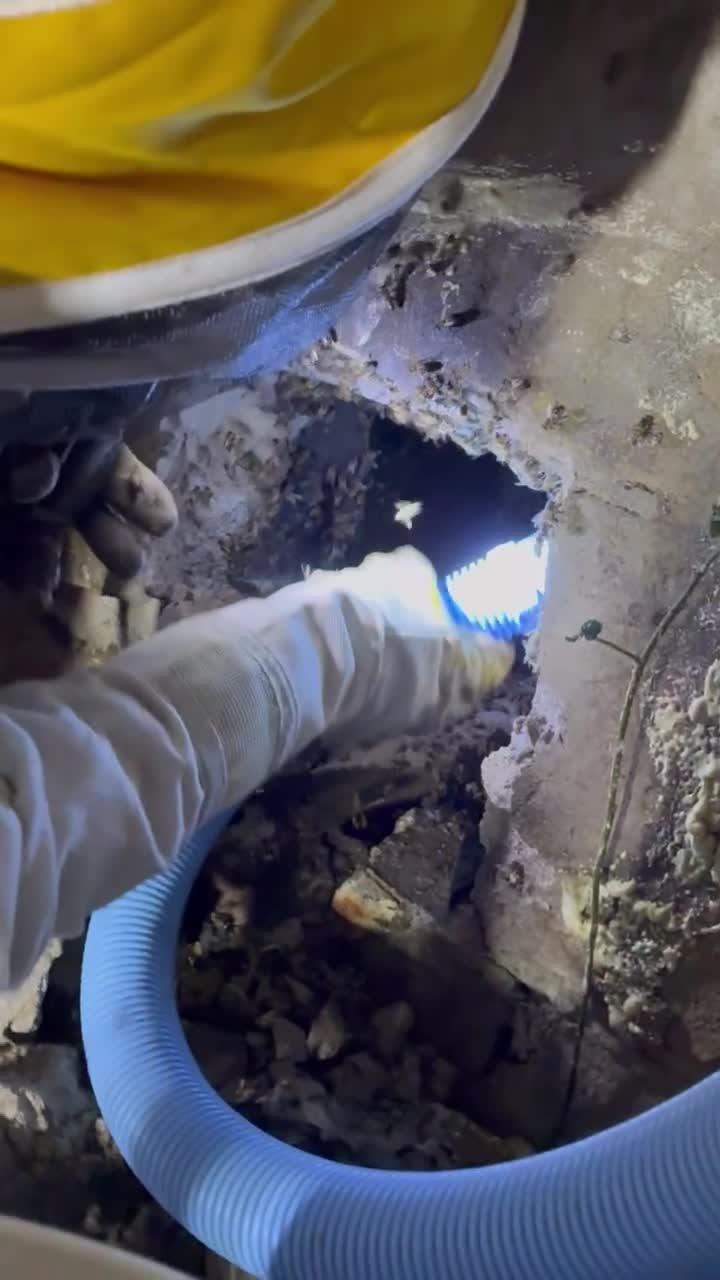
Six simple steps, from your first message to the follow-up after the bees have moved.
Read Article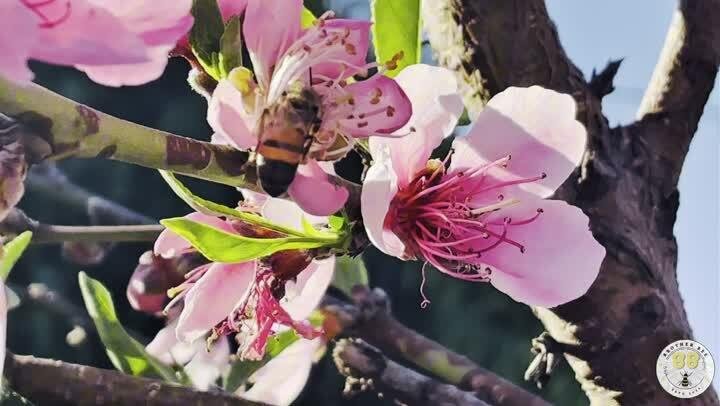
Bees move pollen from flower to flower. That quiet work supports crops, wild plants and the animals that depend on them.
Read ArticleHoney bees, wasps or something else? A few simple clues, and what to do if you are still unsure.
Read ArticleBees flying in and out of a gap near the roof line? Do not seal it. Here is why, and what to do instead.
Read Article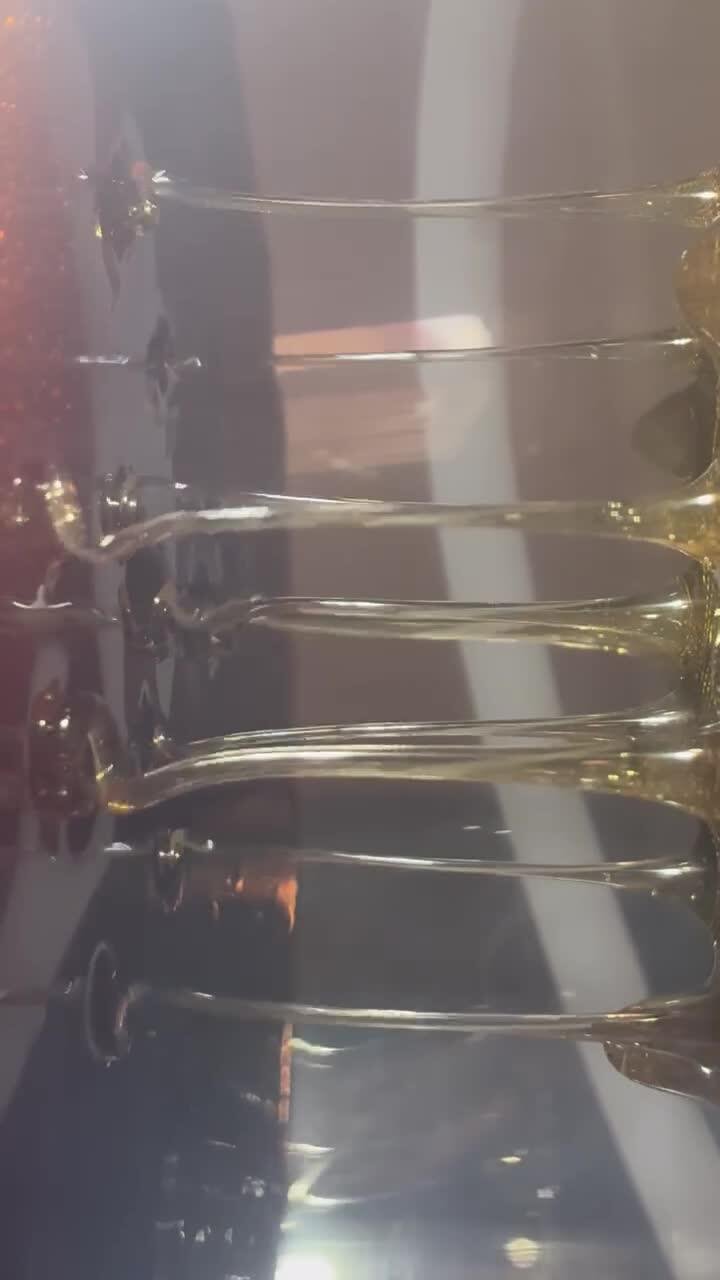
How nectar becomes honey, why honey looks and tastes different from one batch to the next, and why crystallised honey is normal.
Read Article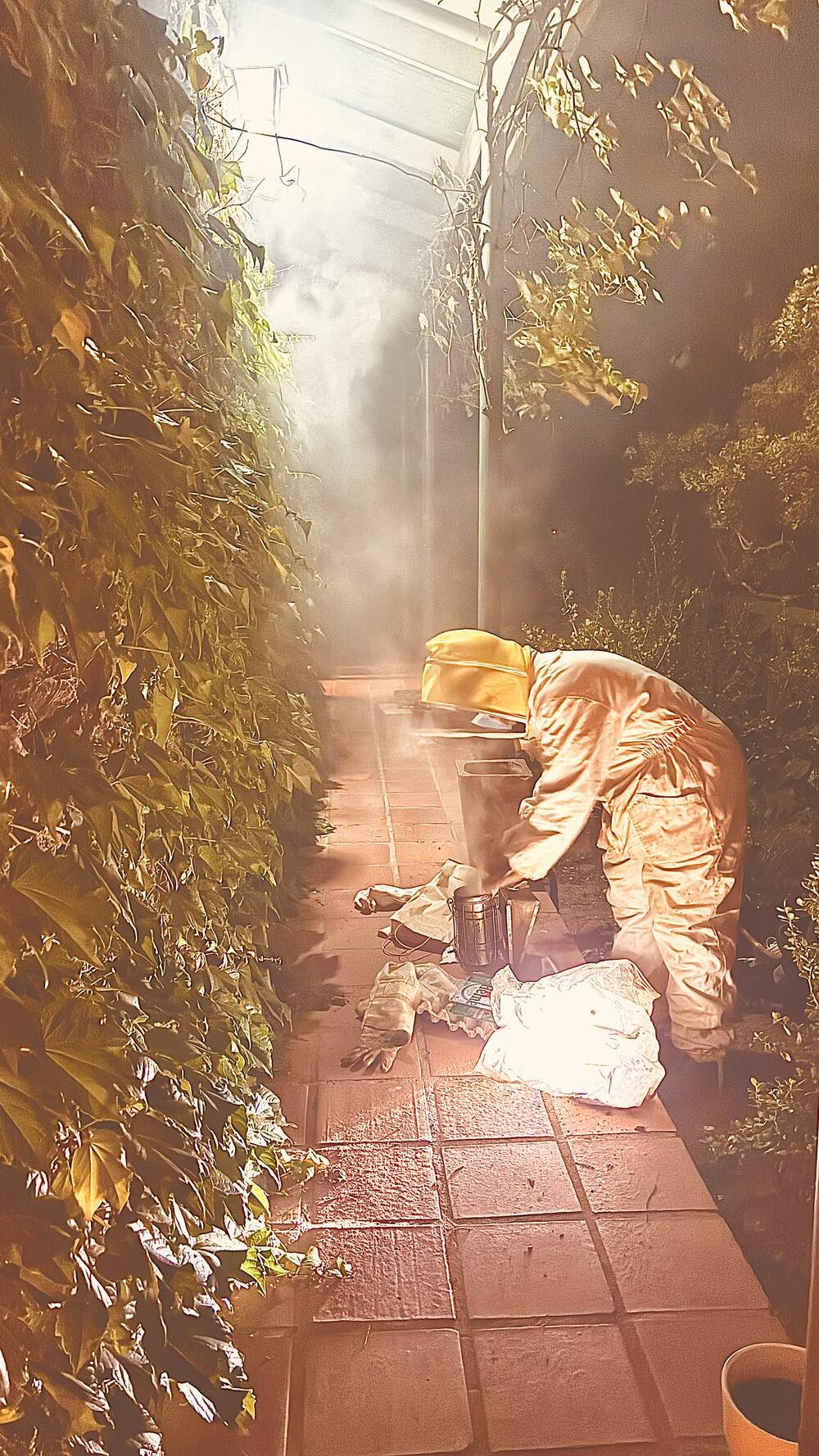
Thinking of keeping bees? Learn first, start small and find a mentor before you place a hive.
Read Article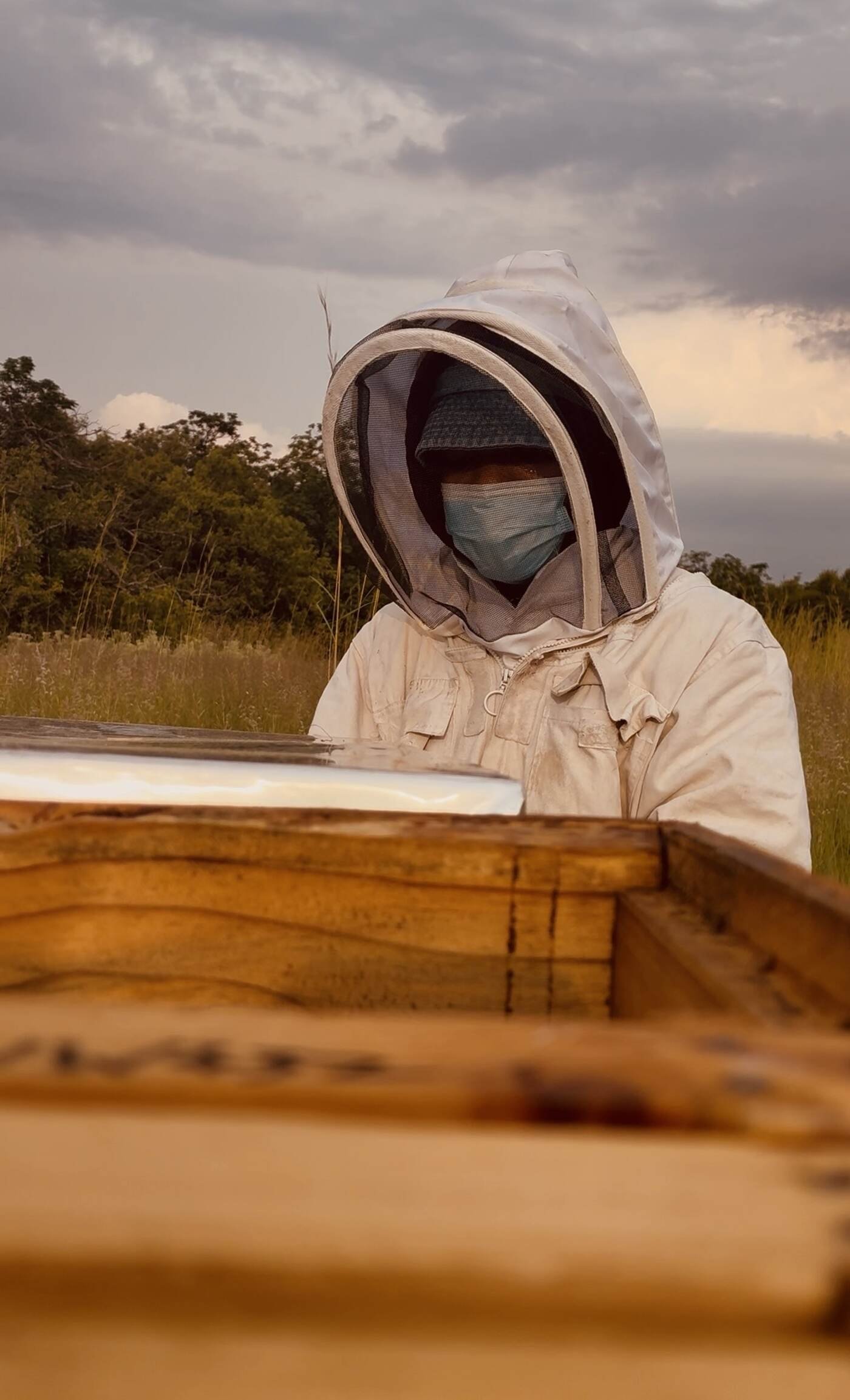
Why bees defend their nest, the warning signs to watch for, and how to move away calmly if they do.
Read ArticleWe do not own these documents — they are published by WWF South Africa, SANBI and South African government departments — but they are genuinely useful for beekeepers and landowners at every level, so we are making them easy to find here, free to view or download.
WWF South Africa, 2023 · 22 pages
Explains which gum (eucalyptus) tree species are legally classed as invasive in South Africa, which may be kept, and why gum trees matter so much to beekeepers as a forage source.
SANBI, with GEF, UNEP and FAO · 24 pages
A step-by-step roadmap and identification key for evaluating the gum trees on your land, including which of the six invasive species must be removed and how to apply for a permit to keep the rest for bee forage.
M.F. Johannsmeier, SANBI (Strelitzia 37, 2016) · 564 pages
A comprehensive 564-page reference on the sources of nectar, pollen, honeydew and propolis South African honey bees forage on, indigenous and introduced, organised by region and flowering season. One of the most thorough beekeeping references available for South Africa.
Department of Agriculture, South Africa · 10 pages
The official regulations governing the grading, packing and marking of honey and bee products for sale in South Africa, including grade standards and what must appear on the label.
Department of Health, South Africa · 51 pages
The regulations under the Foodstuffs, Cosmetics and Disinfectants Act governing how food products, honey included, must be labelled and advertised in South Africa.
A swarm is a cluster of honey bees, often hanging from a branch, wall, fence or roof edge, while the colony looks for a permanent home. Swarming is how a healthy colony reproduces: the old queen leaves the original hive with a large group of workers, and they cluster together nearby while scout bees search the surrounding area for a cavity to move into.
A swarm has no comb, no brood and no honey to defend yet, which is part of why swarming bees are usually calmer than an established colony. That said, calm is not the same as harmless, and they will still defend themselves if they are disturbed, so the right response is to leave them alone and let a beekeeper handle the move.
Swarms are temporary. If nobody intervenes, the cluster may stay for a few hours or a few days before moving on to whatever cavity the scouts have found, which is sometimes a tree hollow, and sometimes a roof void or wall cavity on a nearby property. That is one more reason to act promptly rather than wait and see.
If someone has been stung and has trouble breathing, swelling of the face or throat, or feels faint, call 10177 (ambulance) or 112 from a mobile phone straight away.
Honey bees pollinate many of the fruit, vegetable, nut and seed crops and wild plants that we depend on. Losing a healthy colony is a loss for the whole neighbourhood's gardens and orchards, not just for the bees themselves.
Poison is also a less reliable fix than it looks. A queen deep inside a wall or roof cavity is often protected by layers of comb and workers, so a surface spray can kill the bees you can see while leaving the colony, and the problem, very much alive. Even where it does work, killing a colony that has settled into a structure tends to leave you with a bigger mess than you started with.
The comb, wax and honey stay behind after the bees are gone. As they melt or rot in summer heat, they can stain ceilings, drip through boards, and attract ants, wax moths, rodents and the next swarm of bees looking for a ready-made home. Poison residue can also harm pets, birds and other wildlife that come into contact with it, long after the original problem is "solved".
A live relocation avoids all of that. The colony and the comb are removed together, the cavity is cleaned out properly, and the bees carry on doing what they do best somewhere better suited to them. That is why we relocate bees rather than exterminate them, and why we ask you not to reach for the poison either.
Every relocation starts with understanding the site: where the bees are, how they get in and out, how big the colony is, and how safely it can be reached. A swarm hanging in the open is a very different job from a colony that has been established inside a wall or roof for months, with comb built around pipes, beams or insulation.
For an open swarm, relocation is often straightforward: the cluster is gently collected, usually into a box or container, and moved whole. For an established colony inside a structure, we choose between a few methods depending on access and risk. A bee vacuum draws the bees gently into a holding box with minimal disturbance. Opening the structure lets us remove the comb directly, which is sometimes the only way to get the queen and brood out safely. A trap-out uses a one-way exit cone so foraging bees leave but cannot return, gradually drawing the colony out over days without opening anything at all.
The right method depends on the job, not on which is easiest for us. The aim is always the same: keep the colony alive, keep people safe, and leave the property in a workable state.
Once removed, the bees are transported to a managed apiary, where the comb (if any could be saved) and the colony are settled into a proper hive. Over the following days the bees reorient to their new entrance and get back to normal foraging. Finally, back at your property, we clean up what is left, advise on repairs if needed, and seal the entrance so the same spot does not attract another swarm later.
Read what happens during a bee removal for the step-by-step version of a typical job.
How long a removal takes depends mostly on the position of the colony and how long it has been established. A swarm in the open can sometimes be handled in well under an hour. A colony that has been building comb inside a wall cavity for a year or more takes longer, since there is simply more to remove carefully. Either way, please keep people and pets away from the work area until we confirm the job is finished.
When bees collect nectar and pollen, they carry pollen between flowers as they go, often without either the bee or the plant "intending" it. This pollination is what allows many plants to set fruit and seed at all. A wide range of fruit, vegetable, nut and seed crops grown in South Africa, from citrus and macadamias to sunflowers and many vegetable seed crops, benefit from insect pollination, honey bees included.
Beyond agriculture, healthy pollination underpins biodiversity more broadly. Wild plants rely on it to reproduce, and the animals that eat those plants, or the fruit, seeds and insects that depend on them, form a chain that traces back to pollinators doing their quiet work season after season. Lose the pollinators in an area, and that chain starts to weaken from the bottom up.
Honey bees are one of many pollinators, alongside solitary bees, butterflies, moths, beetles and birds, but they are unusual in how concentrated and visible their activity is: a single colony can represent tens of thousands of individual foragers working the same general area every day. That makes a managed colony a meaningful, dependable contributor to pollination in a neighbourhood, which is part of why relocating a colony rather than destroying it has a benefit that reaches well beyond the bees themselves.
You do not need to keep bees to help them. Planting a variety of flowering plants that bloom at different times of year, avoiding pesticide use while plants are in flower, leaving a little wild or untidy space in a garden, and choosing relocation over extermination when bees do turn up somewhere inconvenient, all genuinely help.
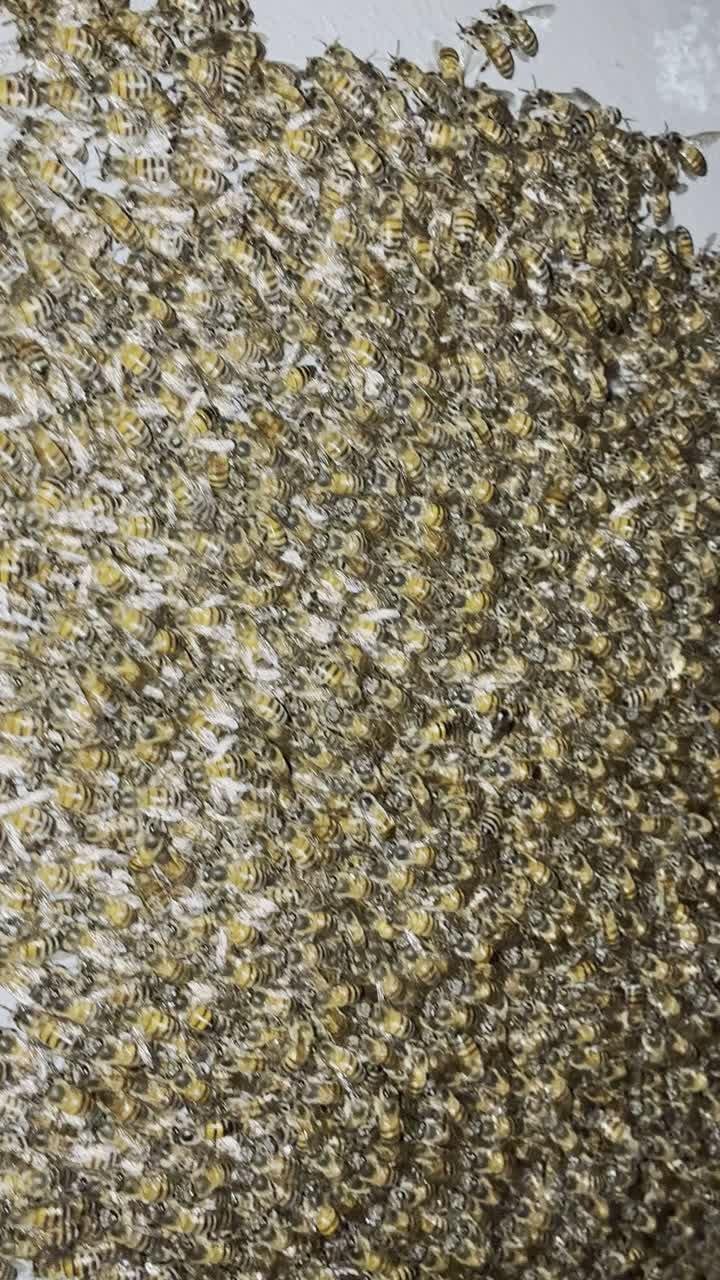
Honey bees are fuzzy, golden-brown insects with darker bands across the abdomen. In a swarm they hang together in a dense, quiet cluster, often shaped like a rugby ball or a curtain, on a branch, wall, post or the edge of a roof. The cluster can range from the size of a grapefruit to considerably larger, and the bees inside it are usually calm, moving slowly over one another rather than flying around erratically.
Wasps look quite different up close: smoother and shinier, with a narrow "waist" between the thorax and abdomen, and far less body hair than a bee. Wasps do not form hanging clusters the way swarming honey bees do. Instead, they build papery, often umbrella-shaped or enclosed nests, commonly under eaves, in wall cavities or in the ground, and the nest itself looks like a distinct papery structure rather than a mass of insects.
Carpenter bees and other large solitary bees are sometimes mistaken for honey bees too, but they are usually bigger, often shinier or with a different colour pattern, and they do not form swarms or clusters at all, since they do not live in colonies the same way honey bees do.
Swarming is most common in spring and early summer, when conditions are good and colonies are strong enough to split, though it can happen at other times too. If you see a cluster of insects and you are not sure what you are looking at, the safest move is the same regardless: do not go closer. Send us a photo on WhatsApp with your area and we will tell you what we think it is and what to do next.
Bees get into roof voids and wall cavities through surprisingly small gaps: a missing tile, a gap under the eaves, an unscreened vent, or a crack where a pipe passes through a wall. Once a scout finds a suitable cavity, it is usually dark, dry, insulated and hard for predators to reach, which makes it an attractive place to build.
Signs that bees have moved in include a steady stream of bees entering and leaving through a small gap (as opposed to a few bees passing through at random), a warm patch or a faint humming sound in the ceiling, especially on warm days, and honey or wax stains spreading across ceiling boards as comb grows and eventually overheats or breaks.
The earlier a colony like this is dealt with, the smaller and simpler the job tends to be. A colony that has only just moved in has little comb and few bees; the same colony six months later can have extensive comb, a much larger population, and a correspondingly bigger job to remove safely.
After a removal, we clean out the old comb, which also removes the smell that can attract a future swarm to the same spot, and seal the entry point properly so bees do not simply move back in.
Bees collect nectar from flowers and carry it back to the hive, where it is passed between workers and gradually broken down by enzymes while most of its water content evaporates off. Once it is thick and stable enough to keep, the bees store it in wax comb cells and cap them over, and that capped, ripened nectar is what we harvest as honey. While they forage for that nectar, bees also pick up and transfer pollen between flowers, which is the pollination side of the same trip.
Because honey reflects whatever the bees were foraging on at the time, its colour, thickness and flavour vary naturally from batch to batch and season to season. Our honey comes from natural forage in the North West, which can include wildflowers, macadamia and bluegum depending on what is flowering nearby, so no two jars are quite identical, and that variation is a sign of raw, unblended honey rather than a flaw.
Raw honey can thicken and crystallise over time, turning grainy or solid in the jar. This is a completely natural process driven by the particular sugars in that batch and the temperature it has been stored at, and it does not mean the honey has gone off. Standing the jar in warm, not boiling, water will soften it back to liquid without damaging it.
One practical note worth knowing: honey, including raw honey, should not be given to babies under about twelve months old, because of a small risk of infant botulism. It is safe for older children and adults.
Your first year will involve more watching and learning than honey harvesting, and that is normal. Expect to spend time simply observing the entrance, learning to read what is happening inside the hive from the outside, before you get a real feel for when and how to intervene. Costs vary depending on the equipment you choose and whether you start from a nucleus colony or a caught swarm, so it is worth budgeting for ongoing essentials, not just the initial hive.
Perhaps the single most useful thing a beginner can do is stay connected to other beekeepers, whether that is a mentor, a local club, or an online community. Bees do not read the textbook, and having someone to ask "is this normal?" is worth more than any single guide.
Our beekeeping training is built for beginners and includes a practical, hands-on session with a live hive.
A colony's first priority is to protect its queen, its brood and the honey stores it has worked to build. Bees that feel threatened release an alarm pheromone that recruits nearby nest-mates to respond, which is why a single disturbance, a knock, a vibration, a sudden movement right at the entrance, can escalate quickly from one or two defensive bees to many.
Honey bee populations across Southern Africa can defend their nests more readily than some other honey bee subspecies found elsewhere in the world, particularly when a hive is knocked, shaken, sprayed, or approached without smoke. This is one of the main reasons professional handling matters for anything beyond a quick look from a distance, and it is also why we never recommend that homeowners attempt to deal with an established colony themselves.
There is a useful distinction between defensive behaviour and what looks like unprovoked aggression. Bees going about normal foraging, flying in straight, purposeful lines to and from an entrance, are not a threat if you simply leave them to it. Bees that start bumping into you, flying erratically around your head, or following you are giving a clear warning that they feel the nest is under threat.
If that happens, walk away calmly and steadily, and get indoors or into a vehicle if you can. Do not swat at them, since swatting tends to provoke more stings, not fewer, and do not jump into water, which is a myth that does not reliably work and introduces its own risks.
Beekeepers use smoke for a specific reason: it masks the alarm pheromone and triggers a feeding response in the colony, which keeps the bees calmer and more manageable while the hive is opened and worked. It is not about subduing the bees so much as interrupting their communication just long enough to work safely.
Ask us. If we don’t know the answer we will tell you, and point you to someone who does.